



The virtual universe that promises frictionless connection and infinite memory is anchored in a stubbornly material world of land, water, minerals and bodies. What the recent alert from the Inter-American Commission on Human Rights (CIDH) makes explicit is that the great cathedrals of this digital faith – data centers – are not neutral temples of progress but sites where rights, territories and ecosystems are quietly being renegotiated.
Concrete under the “cloud”
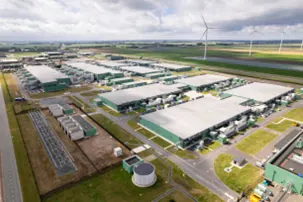
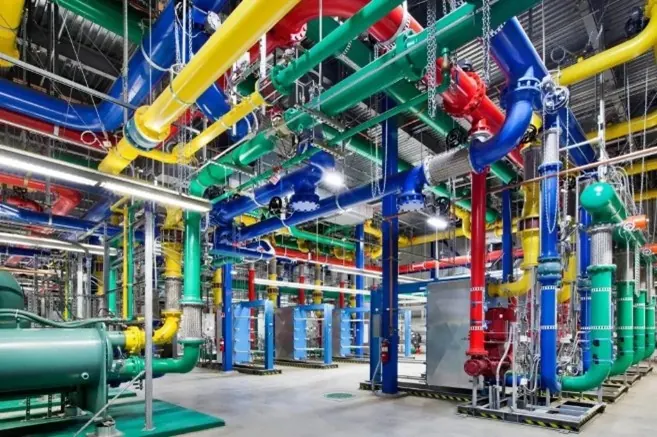
Behind the ethereal metaphor of the “cloud” there are hangars of servers that devour electricity, inhale water for cooling and occupy strategic stretches of territory. Each instant message, every AI query or video lesson crosses infrastructures whose operation deepens pressure on aquifers, power grids and public budgets, especially in countries that are asked to offer tax exemptions and cheap land in exchange for “development.”

The CIDH’s concern is not decorative: intensive water and energy consumption can raise utility prices, strain basic services and aggravate environmental injustice in already vulnerable communities. Reports on AI-related data hubs in rural zones show how pollution, diesel backup generators and grid stress translate into higher asthma rates, degraded air and a direct assault on the right to health and a safe environment. In the name of digital efficiency, the most fragile bodies and landscapes are turned into silent shock absorbers of technological exuberance.
Polycrisis and multiform suffering
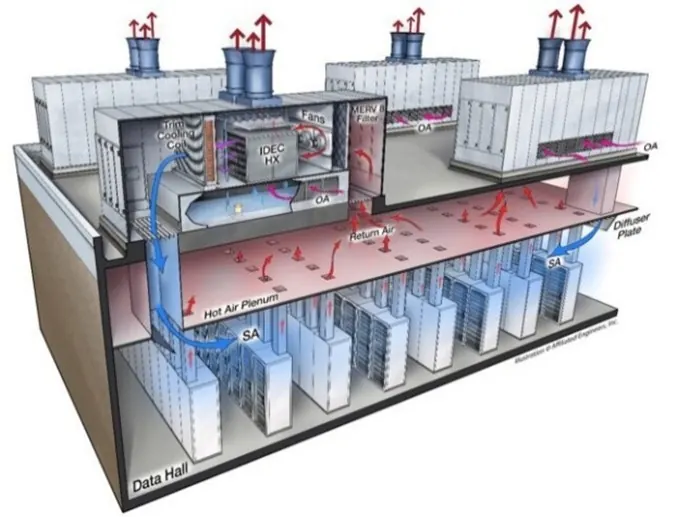
To understand what is at stake, it is insufficient to speak only of “environmental impact.” The data-center boom crystallizes a polycrisis: ecological damage, social displacement, economic dependency, political opacity and epistemic distortion all reinforcing one another. The same infrastructure that promises precision and prediction amplifies uncertainty in everyday life, from the price of water to the stability of local ecosystems.
Here the idea of multiform suffering becomes crucial. There is the immediate pain of contamination and dispossession, the slower anguish of landscapes irreversibly altered, and the structural torment of living in systems that treat such losses as inevitable collateral to “innovation.” These layers of harm do not accumulate linearly; they entangle, eroding community memory, belonging and the sense that another mode of inhabiting the planet is possible.
Many truths, one territory
Data centers expose a clash of truths that cannot be reduced to a single narrative. For corporate strategists, they are symbols of modernization and sovereignty; for local residents, they may mean noise, heat, precarious jobs and rising bills; for the biosphere, they are new nodes of extraction whose costs are distributed across species and generations. A philosophy that recognises the plurality of perspectives insists that no one of these vantage points can claim the whole truth, and that ethical judgment begins precisely in learning to hold them together without dissolving the tension.
The CIDH’s intervention thus gestures toward a deeper question: who gets to define “progress,” and on what epistemic grounds? When key information on water and energy use is shielded as “commercial secret” and only released after legal battles, the very conditions for democratic deliberation are undermined. The digital future is then decided in boardrooms and technical committees, while the communities that host these infrastructures remain spectators of their own fate.
A middle path for the digital age
The current trajectory confronts societies with a false dilemma: either embrace limitless computation or fall into irrelevance. A more lucid stance resembles a middle path: not technophobic rejection, but a radical reorientation of digital development within ecological limits, social justice and transparent governance. This means subjecting every new data center to rigorous, public impact assessments; guaranteeing access to environmental information; and recognising affected communities as political subjects, not merely logistical variables.
Such a path also demands imagining technologies that do not feed on permanent escalation – more data, more models, more power – but are designed for sufficiency, care and reparative use of territory. The revelation of CIDH is, ultimately, not only that the virtual depends on the concrete, but that our collective future depends on refusing to sacrifice water, air and dignity at the altar of an abstract, automated dawn.

সবার আগে আলোচনায় যোগ দিন।